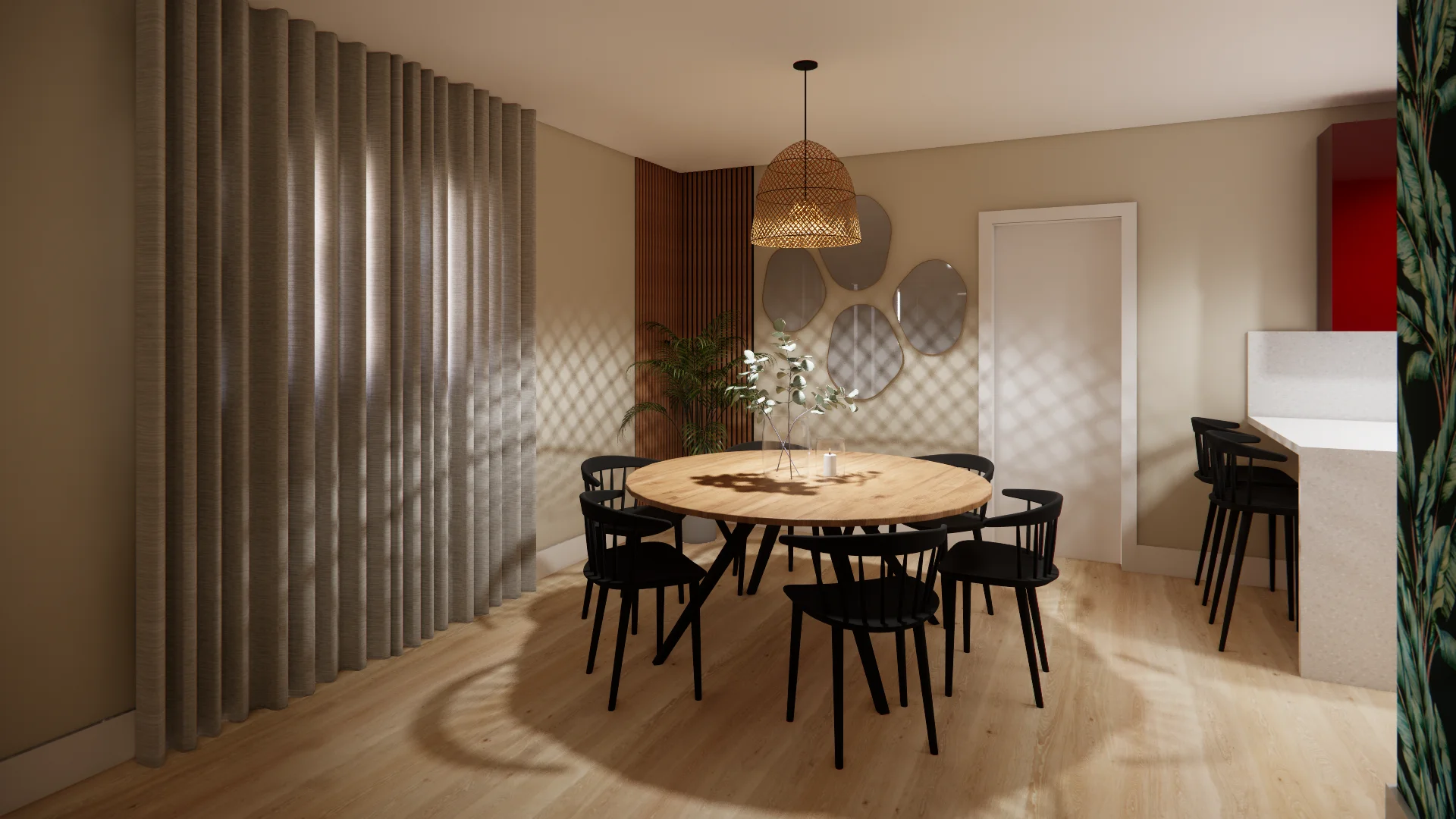
The interior design process: from consultation to reveal
A clear, strategic breakdown of how high-end interior design works.
The full-service interior design process in Miami follows eight strategic stages: initial consultation to define vision and strategy, space planning and layout development, concept design with color and material selection, design development with technical detail, procurement and sourcing, project coordination and implementation, styling and final layering, and the final reveal. Each stage builds on the previous one to deliver a cohesive result. Carolini Interior Design Studio guides the entire process, from the first 60-minute virtual consultation ($150) to the final walkthrough.
Hiring an interior designer is often perceived as a creative decision. In reality, it is a strategic one. Especially in a market like Miami, where expectations are high and competition is constant, understanding the interior design process is essential to achieving a space that is not only visually refined, but functional, intentional and aligned with your goals.
Whether you are designing a private residence or investing in a luxury short-term rental in Miami, this guide will walk you through what to expect when working with a full-service interior design studio in Miami.
1. The initial consultation: defining vision and strategy
Every successful project begins with clarity. The consultation is not just a meeting, it is a strategic conversation designed to understand your lifestyle or investment goals, how the space will be used, your expectations in terms of aesthetics and performance, and your budget and timeline parameters.
At this stage, a professional interior designer in Miami is not just listening, they are analyzing. They are identifying opportunities, potential challenges and the direction that will guide the entire project. In luxury interior design, this phase sets the tone for everything that follows.
2. Space planning and layout development: the foundation of design
Before selecting materials or furniture, the most critical phase begins: space planning. This is where the layout is optimized to ensure efficient circulation, functional zoning, balanced proportions and clear focal points.
In both luxury residential design in Miami and high-end Airbnb properties, layout directly impacts experience. A well-designed floor plan can transform how a space feels, making it intuitive, comfortable and elevated. Without this step, even the most beautiful finishes will fall short.
3. Concept design: defining the visual direction
Once the layout is established, the design begins to take shape visually. The concept phase includes color palette development, material selection for flooring, finishes and surfaces, design language and overall aesthetic direction, and an initial furniture and styling vision.
This is where strategy meets creativity. A strong Miami luxury interior designer ensures that every visual decision aligns with the purpose of the space, whether it is a refined residence or a high-performing rental property.
4. Design development: refining every detail
In this phase, ideas become precise. The designer refines furniture selections and layouts, lighting design and layering, custom elements and built-ins, and detailed material specifications. This is also where technical documentation may be created, depending on the scope.
For a full-service interior design project in Miami, this stage ensures that everything is resolved before execution begins, minimizing errors and maximizing efficiency.
5. Procurement and sourcing: curating with intention
Once the design is approved, the next step is sourcing. This involves selecting vendors and suppliers, ordering furniture, finishes and accessories, and managing lead times and logistics. In high-end interior design, procurement is not just about purchasing. It is about curation. Every piece is selected with intention, ensuring it contributes to the overall composition of the space.
6. Project coordination and implementation: bringing the design to life
Execution is where design is tested. This phase may include coordination with contractors and installers, oversight of deliveries and installations, and quality control and on-site adjustments. A professional interior design studio in Miami ensures that the project is implemented according to plan, maintaining the integrity of the design from concept to completion.
Without proper coordination, even the best designs can lose coherence.
Thinking about starting a project?
A 60-minute virtual consultation is the best way to understand scope, timeline and strategy. $150.
7. Styling and final layering: elevating the experience
Once the main elements are in place, the final layer begins. Styling includes art and accessories, textiles and soft elements, and decorative objects and finishing touches. This is where the space transitions from complete to elevated. In luxury interiors, styling is subtle but impactful. It enhances without overwhelming.
8. The reveal: more than a final look
The final reveal is not just about presentation. It is the moment where all decisions come together, the space is experienced as a whole, and functionality, aesthetics and intention align.
For Miami luxury homes and STR properties, the reveal is also a strategic milestone. For homeowners, it defines daily living experience. For investors, it sets the stage for photography, listing and market positioning. A successful reveal is not just visually impressive, it feels effortless.
What sets full-service interior design in Miami apart
Working with a full-service interior designer in Miami means more than receiving a design concept. It means having a structured, guided process, expert decision-making at every stage, cohesion from start to finish, and reduced stress and uncertainty. In high-end projects, this level of service is not a luxury. It is a necessity.
The real value of the interior design process
The process is not just a sequence of steps. It is what ensures the space functions as intended, the design remains cohesive and the investment delivers long-term value. In Miami's competitive luxury market, design is not just about appearance. It is about performance.
Final thoughts: from consultation to reveal
Understanding the interior design process in Miami allows you to approach your project with clarity and confidence. It shifts your perspective from "what will it look like?" to "how will it work, feel and perform?". Because at the highest level, interior design is not about isolated decisions. It is about orchestrating every element into a seamless, intentional experience.
Looking for a full-service interior designer in Miami?
From consultation to reveal, Carolini Interior Design Studio guides every step, ensuring your space is not only beautifully designed, but intentionally created to perform.

Cecilia Carolini
Architect and interior designer specializing in luxury residential interiors and high-end short-term rentals in Miami. Focused on spaces that balance refined aesthetics with strategic performance.